
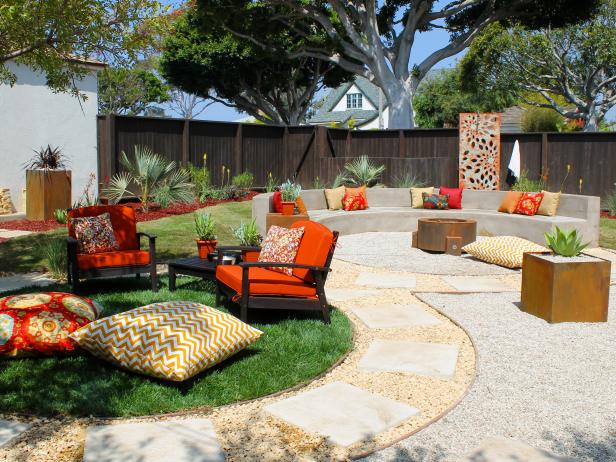
If you’ve been scrolling through photos trying to picture your own backyard transformed, you’re in the right place. Good backyard patio ideas do more than look nice in a photo — they need to hold up to our winters, drain properly after a summer downpour, and actually fit how your family uses the yard. Before you call a contractor or start sketching a layout on graph paper, it helps to see what actually works for homes in Montgomery County, Bucks County, and the rest of the Southeastern Pennsylvania region.
At Raymond Landscaping, we’ve spent years designing and building patios for homeowners across this area, and the same questions come up again and again: What shape makes sense for my yard? What material holds up best through freeze-thaw cycles? Should I add a fire pit or a seating wall? This guide walks through the inspiration and the practical considerations side by side, so you can go into your project with a clear picture of what’s possible.
What to Consider Before Choosing Backyard Patio Ideas for Your Property
Every good patio starts with a few honest questions about the property, not just a Pinterest board. Southeastern PA lots vary widely — some homes in Trappe or Collegeville sit on generous half-acre parcels, while others in denser suburbs of Montgomery and Bucks Counties have tighter backyards that need smarter space planning.
Before settling on a design, it’s worth thinking through:
- Sun and shade patterns. A patio that bakes in full afternoon sun by July is a different experience than one tucked under mature trees.
- Drainage. Clay-heavy soil, common in this region, doesn’t absorb water quickly. A patio built without proper grading and a drainage plan can turn into a puddle magnet after a storm.
- How you’ll actually use it. Weeknight dinners for a family of four call for a different footprint than a patio meant to host twenty people for a graduation party.
- Access to the house. Patios that connect naturally to a kitchen or family room slider tend to get used far more than ones tucked in a back corner.
Getting these basics right up front saves a lot of second-guessing later, and it’s a big part of why we start every project with a free consultation and a direct quote rather than jumping straight to a design.
Patio Shapes and Layouts That Work for Southeastern PA Yards
Rectangular patios remain popular because they’re straightforward to build and furnish, but they’re far from the only option. Curved or kidney-shaped patios can soften the transition between a hard surface and a lawn or garden bed, which works especially well on properties with mature landscaping already in place.
For narrower yards, an L-shaped patio can separate a dining zone from a lounge or fire pit area without needing extra square footage. Multi-level patios, which step down gently with the natural grade of a yard, are a great option for the rolling terrain you’ll find throughout parts of Montgomery and Bucks Counties — they also help manage water runoff naturally when graded correctly.
Popular Materials for Southeastern Pennsylvania Patios
Material choice affects everything from upfront cost to how the patio ages over the next decade. Three options come up most often with our clients:
- Pavers. Interlocking concrete or clay pavers are popular because individual units can be replaced if damaged, and they handle our freeze-thaw winters well when installed on a proper base.
- Natural stone (flagstone). Popular for a more upscale, organic look, though it typically comes with a higher price tag and more variability in installation.
- Poured concrete. A budget-friendly, low-maintenance option, though it’s more prone to cracking over time without control joints and a solid base.
We cover the tradeoffs between the two most common choices — pavers and concrete — in more detail in a separate guide, since it’s one of the first decisions most homeowners have to make.
Adding Features: Fire Pits, Seating Walls, and Outdoor Kitchens
Once the base layout is set, the features are what make a patio feel like an outdoor room rather than just a slab. Fire pits are consistently one of the most requested additions we see, since they stretch the usable season well into fall. Built-in seating walls double as extra seating for gatherings and can double as a subtle grade change if your yard slopes.
For homeowners looking to go further, an outdoor kitchen with a grill island and small counter space turns a patio into a true entertaining hub. Pergolas are another popular add-on, offering partial shade without blocking the yard entirely — something worth discussing with your design and build team so it complements the patio’s layout rather than crowding it.
Landscaping and Lighting That Complete the Look
A patio rarely stands alone. Layered plant beds along the edges soften the hard lines of pavers or concrete, and low-voltage path lighting or string lighting extends usability into the evening — which matters more than people expect once the sun starts setting earlier in the fall.
Drainage-conscious planting is worth mentioning here too. Choosing plants that tolerate the wetter, clay-heavy soil common around patios (rather than fighting it) reduces long-term maintenance headaches.
Local Considerations: Climate, Soil, and Neighborhood Style in Southeastern PA
Southeastern Pennsylvania has its own set of practical considerations that shape smart patio design. The region — which includes Montgomery, Bucks, Chester, Delaware, and Philadelphia Counties — sees real winter freeze-thaw cycles, humid summers, and clay-based soils in many neighborhoods. All three affect how a patio should be built: base depth, material selection, and drainage planning all need to account for our specific climate rather than a generic national template.
Neighborhood style matters too. A patio that looks right next to a colonial-style home in an older Montgomery County neighborhood might look out of place on a newer build in a Bucks County development. Local landscape designers who work in this region every day tend to have a better feel for what fits.
Key Takeaways
- Start with the practical questions — sun, drainage, and how you’ll use the space — before picking a shape or material.
- Curved, L-shaped, and multi-level layouts all have a place depending on your yard’s size and grade.
- Pavers, natural stone, and concrete each have real tradeoffs in cost, appearance, and long-term durability.
- Features like fire pits, seating walls, and pergolas turn a patio into a true outdoor living space.
- Southeastern PA’s clay soil and freeze-thaw winters make proper base preparation and drainage planning essential, not optional.
FAQ
How much does a backyard patio typically cost in Southeastern PA? Costs vary widely based on size, material, and added features like fire pits or seating walls. A free consultation with a direct quote is the most accurate way to get a number specific to your property.
What is the best time of year to build a patio in this region? Late spring through early fall generally offers the most workable conditions, though many hardscaping projects can be planned and scheduled well before then.
Do I need a permit to build a patio in Montgomery or Bucks County? Permit requirements vary by township. It’s worth checking with your local municipality, and an experienced local design/build team can often help you understand what’s required for your specific project.
Can a patio be added to an existing yard with drainage issues? Yes, in most cases. Addressing drainage as part of the design — rather than after the fact — is usually the more cost-effective approach.
Thinking through your own backyard patio ideas? Our design and build team has helped homeowners across Montgomery County, Bucks County, and the greater Southeastern PA region turn rough sketches into finished outdoor spaces. Request your free consultation and we’ll walk the property with you and provide a straightforward, upfront quote — no pressure, no surprises.
Leave a Reply