
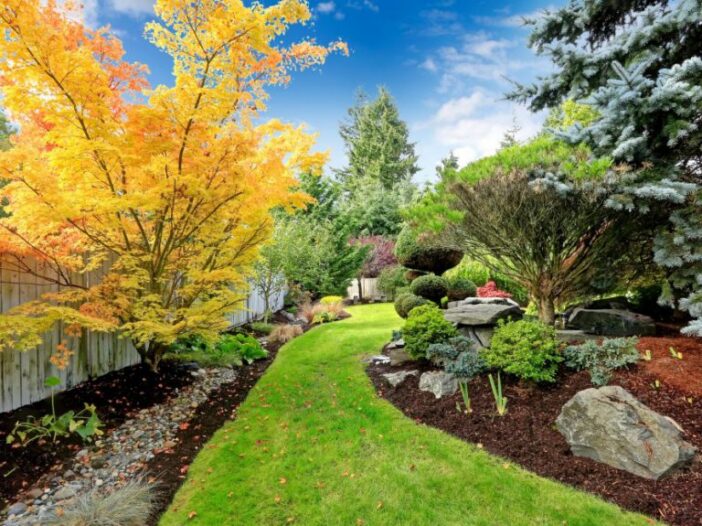
Once the leaves start turning and the first cool mornings show up, it’s worth getting ahead of the season rather than scrambling in November. A solid fall clean up checklist covers more than raking — it sets your lawn, beds, and hardscaping up to come through winter in good shape and bounce back quickly come spring. Skipping steps now tends to mean more work (and sometimes more expense) once the snow melts.
We handle fall clean-up for homeowners across Montgomery County, Bucks County, and the greater Southeastern Pennsylvania region every year, and the same handful of tasks make the biggest difference. Here’s the full checklist, broken into the areas that matter most.
Why a Fall Clean-Up Checklist Matters for Southeastern PA Yards
Our region’s combination of deciduous trees, humid summers, and real winter freeze-thaw cycles makes fall clean-up more than a cosmetic chore. Wet leaves left on a lawn block sunlight and trap moisture against the grass, which can lead to fungal issues by spring. Clogged gutters and poor drainage heading into winter often turn into ice dams or foundation problems once temperatures drop. And plants left unprepared for dormancy are more vulnerable to winter dieback than ones that got a proper fall cutback.
Working through a checklist in order — rather than tackling whatever’s most visible first — helps make sure nothing gets missed before the ground freezes.
Leaf Removal and Lawn Prep
Leaves are the most obvious fall task, but timing and technique matter more than people expect:
- Don’t wait for all the leaves to fall. Removing leaves in stages as they accumulate is easier than tackling one enormous pile in late November.
- Mulch what you can. A light layer of finely mulched leaves (from a mulching mower pass) can actually benefit the lawn, while thick, wet leaf cover smothers it.
- Aerate and overseed before it’s too late. Fall is the ideal window for cool-season lawns in this region, and it needs to happen while soil temperatures are still workable.
- Apply a fall fertilizer treatment. A properly timed fall feeding helps grass build root strength over winter rather than pushing top growth that won’t survive the cold.
Garden Bed and Perennial Cleanup
Garden beds need their own pass before winter sets in:
- Cut back dead perennial foliage, but leave seed heads on plants that benefit birds through winter if that’s a priority for your yard.
- Pull annuals that have finished their season rather than letting them rot in place.
- Divide and transplant overcrowded perennials while the soil is still workable.
- Refresh mulch in beds to insulate roots and help regulate soil temperature swings through the winter months.
Gutter, Drainage, and Hardscape Checks Before Winter
This step gets skipped more than any other on a fall clean up checklist, and it’s one of the more consequential ones:
- Clear gutters and downspouts of leaves and debris so melting snow and winter rain drain properly instead of backing up.
- Check that grading around the foundation still directs water away from the house — settling over the years can quietly reverse this.
- Inspect patios, walkways, and retaining walls for cracks or heaving that could worsen with freeze-thaw cycles, and address minor issues before winter makes them bigger ones.
- Clean debris out of any drainage systems, catch basins, or French drains on the property.
Tree and Shrub Care Heading Into Dormancy
Fall is a good time to give trees and shrubs a once-over before they go dormant:
- Prune dead, damaged, or crossing branches — for many species, this is a safer window than late winter or spring.
- Inspect for signs of disease or pest damage while leaves are still visible enough to spot problems.
- Wrap or protect young or thin-barked trees that are vulnerable to winter sun scald or rodent damage.
- Flag any trees that look structurally compromised for a professional evaluation before winter storms put extra stress on them.
Irrigation and Outdoor Equipment Shutdown
A few practical, easy-to-forget steps round out the checklist:
- Winterize irrigation systems by blowing out lines before a hard freeze to prevent cracked pipes and valves.
- Drain and store hoses, and disconnect them from exterior spigots.
- Service or store mowers and other lawn equipment properly if they won’t be used again until spring.
- Stock up on firewood and mulch for the season ahead, which is easy to order in bulk rather than making repeated trips.
Building Your Own Fall Clean-Up Checklist on a Southeastern PA Timeline
Timing varies a bit depending on where you are in the region, but generally, leaf removal and lawn aeration should wrap up by mid-to-late October, garden bed cutback and mulching by early-to-mid November, and irrigation winterization before the first hard freeze — which can come earlier than people expect in parts of Montgomery and Bucks Counties.
Key Takeaways
- A complete fall clean up checklist covers lawn prep, garden beds, gutters and drainage, tree care, and irrigation shutdown — not just leaf raking.
- Clearing gutters and checking grading before winter helps prevent ice dams and foundation issues later.
- Fall is the best window for aeration, overseeding, and fertilizing cool-season lawns in this region.
- Pruning and inspecting trees and shrubs in fall catches problems before winter storms add stress.
- Timing matters — most tasks should wrap up before the first hard freeze, which can arrive earlier than expected.
FAQ
When should I start my fall clean-up in Southeastern PA? Most homeowners in this region should begin leaf removal and lawn prep by late September or early October, with garden bed cutback and irrigation winterization following through November.
Do I need to remove every leaf from my lawn? Not necessarily — a light, finely mulched layer can benefit the lawn, but thick, wet leaf cover should be removed to prevent fungal issues and smothered grass.
Is it too late to aerate and overseed if I wait until November? It depends on soil temperature, but earlier is generally better. Once the ground gets too cold, grass seed won’t germinate before winter.
Can I skip a fall clean-up and just deal with it in spring? You can, but it usually means more work and higher risk of lawn damage, drainage problems, or plant dieback that could have been prevented with fall prep.
Want help checking off your fall clean-up checklist this year? Our lawn maintenance team handles seasonal clean-up for homeowners throughout Montgomery County, Bucks County, and the greater Southeastern PA region. Request a free consultation and we’ll help you build a plan that fits your property.
Leave a Reply