
Fall is arguably the most important season for lawn care, even though most homeowners spend far more time thinking about their grass in spring and summer. A handful of fall lawn care tips, applied at the right time, can undo a lot of summer stress and set your lawn up for a much stronger start next year. Here are the five that make the biggest difference for lawns across Montgomery County, Bucks County, and the rest of Southeastern Pennsylvania.
1. Keep Mowing — Just Adjust the Height
Plenty of homeowners stop mowing regularly once temperatures cool down, but grass is still actively growing well into fall. Gradually lowering your mowing height over the last few cuts of the season helps prevent matting under fallen leaves and snow, which can lead to fungal issues like snow mold. Just avoid scalping the lawn — a dramatic single drop in height stresses grass right before winter dormancy.
2. Aerate and Overseed While the Window Is Open
Fall is the single best time to aerate and overseed cool-season lawns common in this region. Core aeration relieves soil compaction built up over a summer of foot traffic, mowing, and heat stress, while overseeding right afterward gives new grass seed direct contact with soil and less competition from weeds than it would face in spring. This combination is one of the most effective fall lawn care tips for thickening up thin or patchy areas.
3. Apply a Fall Fertilizer Treatment
A properly timed fall fertilizer application, typically higher in potassium than a spring or summer blend, helps grass build stronger root systems heading into winter rather than pushing excess top growth. That root development is what allows a lawn to green up faster and more evenly the following spring, rather than coming out of winter thin and stressed.
4. Manage Leaves Before They Smother the Lawn
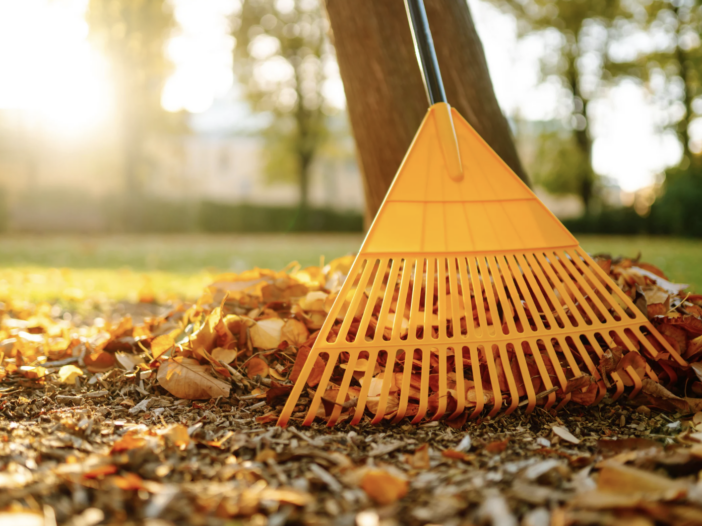
Leaves left in a thick, wet layer block sunlight and trap moisture against grass blades, creating conditions for disease and dead patches by spring. Removing leaves regularly, or mulching them finely with a mower pass, keeps the lawn breathing through fall rather than suffocating under a blanket of damp leaves for weeks at a time.
5. Address Weeds Before They Go to Seed
Fall is a strong window for controlling perennial broadleaf weeds like dandelions, since they’re actively pulling nutrients down into their root systems to prepare for winter, which makes them more responsive to treatment than in spring. Getting ahead of weeds now typically means a cleaner-looking lawn with less competition when grass starts actively growing again in spring.
Key Takeaways
- Keep mowing through fall, gradually lowering height to prevent matting under leaves and snow.
- Aeration and overseeding in fall gives new grass its best shot at establishing before winter.
- A fall fertilizer application builds root strength rather than top growth, improving spring green-up.
- Managing leaves promptly prevents disease and dead patches caused by prolonged moisture and shade.
- Fall is one of the most effective times to treat perennial weeds before they set seed for next year.
FAQ
Is it too late to fertilize my lawn in October? In most cases, no — a fall fertilizer application timed for October is actually one of the most beneficial treatments of the year for cool-season lawns in this region.
Should I bag or mulch my grass clippings in fall? Mulching is generally fine as long as clipping volume is light. Heavier clippings, especially combined with fallen leaves, should be removed to avoid smothering the lawn.
How short should I cut my lawn for the last mow of the season? Gradually lower the height over the final few cuts, landing somewhat shorter than your summer height, but avoid scalping the lawn in a single pass.
Can I still aerate and overseed if I’m getting a late start this fall? It depends on soil temperature and how much time is left before a hard freeze. Getting an assessment sooner rather than later improves the odds of successful germination.
Want these fall lawn care tips handled for you? Our lawn maintenance team provides seasonal lawn care throughout Montgomery County, Bucks County, and the greater Southeastern PA region. Request a free consultation and we’ll put together a fall plan for your lawn.
Leave a Reply