
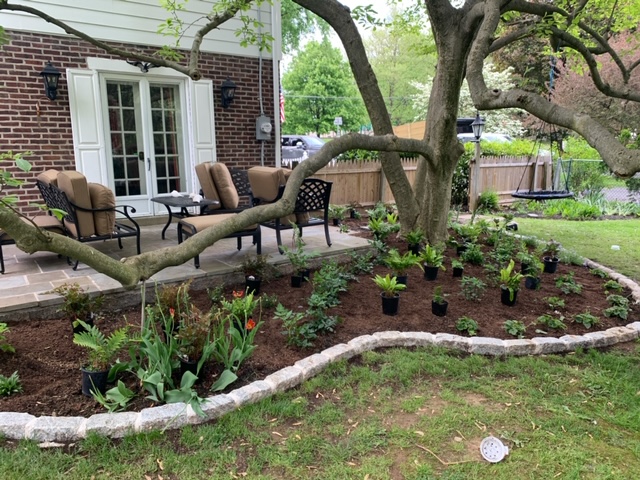
Fresh mulch makes a property look finished, but timing has a lot to do with how well it works. Put it down too early in spring and the soil stays cold and wet longer. Pile it on every year without checking what is already there and you can end up smothering roots. If you have been wondering when to mulch in Pennsylvania, the short answer is that spring and fall both have a job to do, and the right time depends on what you want the mulch to accomplish. Here is how we approach it for beds across Montgomery County, Bucks County and the rest of Southeastern PA.
Key Takeaways
- Mid to late spring, once the soil has warmed and dried out a bit, is the main mulching window for most beds.
- Fall is a good time to top off thin beds after leaf cleanup, which helps insulate roots through winter.
- Protective winter mulch for perennials goes on after the ground freezes, not before.
- Penn State Extension recommends keeping ornamental bed mulch to three to four inches and tree mulch to two to four inches.
- Keep mulch off tree trunks and shrub stems. “Mulch volcanoes” can harm trees.
Why Does Mulch Timing Matter?
Mulch works by buffering the soil underneath it. Penn State Extension notes that mulch helps conserve soil moisture, moderate soil temperature and suppress weeds. That buffering is helpful most of the year, but it also means mulch slows down how fast soil warms in spring and cools in fall. Timing your application around those swings lets you get the benefits without the drawbacks.
When to Mulch in Spring
For most Pennsylvania beds, the best time to mulch is mid to late spring, after the soil has warmed up and dried out from winter. Mulching cold, soggy soil traps that chill and moisture in place, which can slow root growth and the emergence of perennials.
On our residential maintenance page, we describe a simple way to tell whether your yard is ready for spring work. Step down hard on the ground. If water squirts up around your shoe, stay off it, because walking on saturated soil compacts it and does more harm than good. Once you pass that squirt test, it is time for spring cleanup, and mulching comes right after.
A good spring sequence looks like this:
- Clear leaves, sticks and winter debris from beds.
- Cut back last year’s perennial growth and pull early weeds.
- Edge the beds so the mulch has a clean line to hold.
- Check the depth of old mulch before adding more.
- Spread fresh mulch evenly, keeping it away from stems and trunks.
Getting mulch down before summer weeds take off also gives you the most weed-suppression value for the season.
Should You Mulch in Summer?
You can, and it can help. If beds look thin by early summer or you have added new plantings, a light top-off helps hold moisture through hot, dry stretches. Water the bed first, then mulch, so you are locking moisture in rather than keeping rain out of dry soil. Avoid heavy applications during heat waves around brand-new plants that are still settling in.
When to Mulch in Fall
Fall is the second main mulching window. After leaves are cleared and perennials are cut back, a fresh layer on thin or bare spots helps insulate roots as temperatures drop and keeps soil from washing out of beds during winter rain. It also means beds look tidy all winter instead of bare.
Fall mulching fits naturally into a full end-of-season cleanup. Our fall clean-up checklist covers where it falls in the order of tasks, along with leaves, gutters and irrigation shutdown.
What About Winter Mulch for Perennials?
Winter mulch is a little different. Its job is not to keep the ground warm but to keep it consistently cold. Repeated freezing and thawing of the top layer of soil can push shallow-rooted perennials up and out of the ground. A loose layer of mulch over the crowns, applied after the ground freezes, helps hold soil temperatures steady. Mulching too early can delay dormancy and leave plants more vulnerable to cold.
In early spring, once the top layer thaws, pull the extra winter mulch back so the crowns can breathe and the soil can warm.
How Much Mulch Should You Use?
Limit mulch in ornamental beds to three to four inches deep and keep it to two to four inches around trees, starting three to four inches from the trunk and extending out to the drip line. More is not better. Deep mulch can keep roots too wet and starve them of oxygen.
The most common mistake we see is the mulch volcano: a tall mound piled against a tree trunk. Penn State specifically warns against these mounds, because the root flare at the base of the trunk should stay uncovered. If last year’s mulch is still two or three inches deep, rake it to loosen it and refresh the color with a thin layer rather than adding another full load.
What Kind of Mulch Should You Choose?
Shredded hardwood is a popular choice for beds in our area because it tends to knit together and stay put better than loose chips. Dyed mulches are common, too, and Penn State notes that the dyes used are not considered toxic to plants. Its bigger caution is about recycled wood from pallets or construction debris, where it is hard to know whether the wood was treated, so it is worth knowing where your mulch comes from.
For low-traffic areas where you want to skip yearly refreshes altogether, stone can be an alternative. Our guide to river rock landscaping covers where rock works better than mulch.
When our crews mulch beds, we help homeowners choose the right mulch for the style of their home and their budget, then spread it evenly and add more later in the season when needed. Bulk mulch is also available through Raymond Landscaping and Supply if you prefer to do it yourself.
FAQ
What is the best month to mulch in Pennsylvania?
For most beds, April into May, once the soil has warmed and dried out. Fall, after leaf cleanup, is the second-best window for topping off.
Is it bad to mulch in November?
No. Topping off thin beds in fall is helpful. Heavy protective mulch over perennial crowns should wait until the ground has frozen.
Should I remove old mulch before adding new?
Not usually. Check the depth first. If it is already two inches or more, loosen it and add only a thin layer so the total stays within three to four inches.
How often do beds need fresh mulch?
Most beds need a refresh once a year, with a light top-off in fall if spots have thinned out.
Let Us Handle Your Beds This Season
From spring cleanup and mulching to fall bed prep, our maintenance team keeps beds looking sharp across Montgomery County, Bucks County, suburban Philadelphia and the greater Southeast Pennsylvania region. Ask about adding mulching to a customized seasonal maintenance package.
Request your free consultation, call us at (267) 385-5634 or email raymond@raymondlawnservice.com.
Leave a Reply